--col-off-white: #F7FDFC
--col-off-white
--col-headingtxt: #00312F
--col-headingtxt
--col-pri: #00B5AE
--col-pri
--col-sec: #80DAD7
--col-sec
--col-ter: #99E1DF
--col-ter
--col-tint--light: #99E1DF
--col-tint--light
--col-tint--normal: #80DAD7
--col-tint--normal
--col-tint--dark: #66D3CE
--col-tint--dark
--col-tint--darker: #4DCBC6
--col-tint--darker
--col-tint--darkest: #33C4BE
--col-tint--darkest
--col-shade--light: #00918B
--col-shade--light
--col-shade--normal: #007F7A
--col-shade--normal
--col-shade--dark: #006d68
--col-shade--dark
--col-shade--darker: #005b57
--col-shade--darker
--col-shade--darkest: #004846
--col-shade--darkest

Stephen Perse Cambridge
Our Alumni
Explore the stories of some of our most distinguished Guild members.
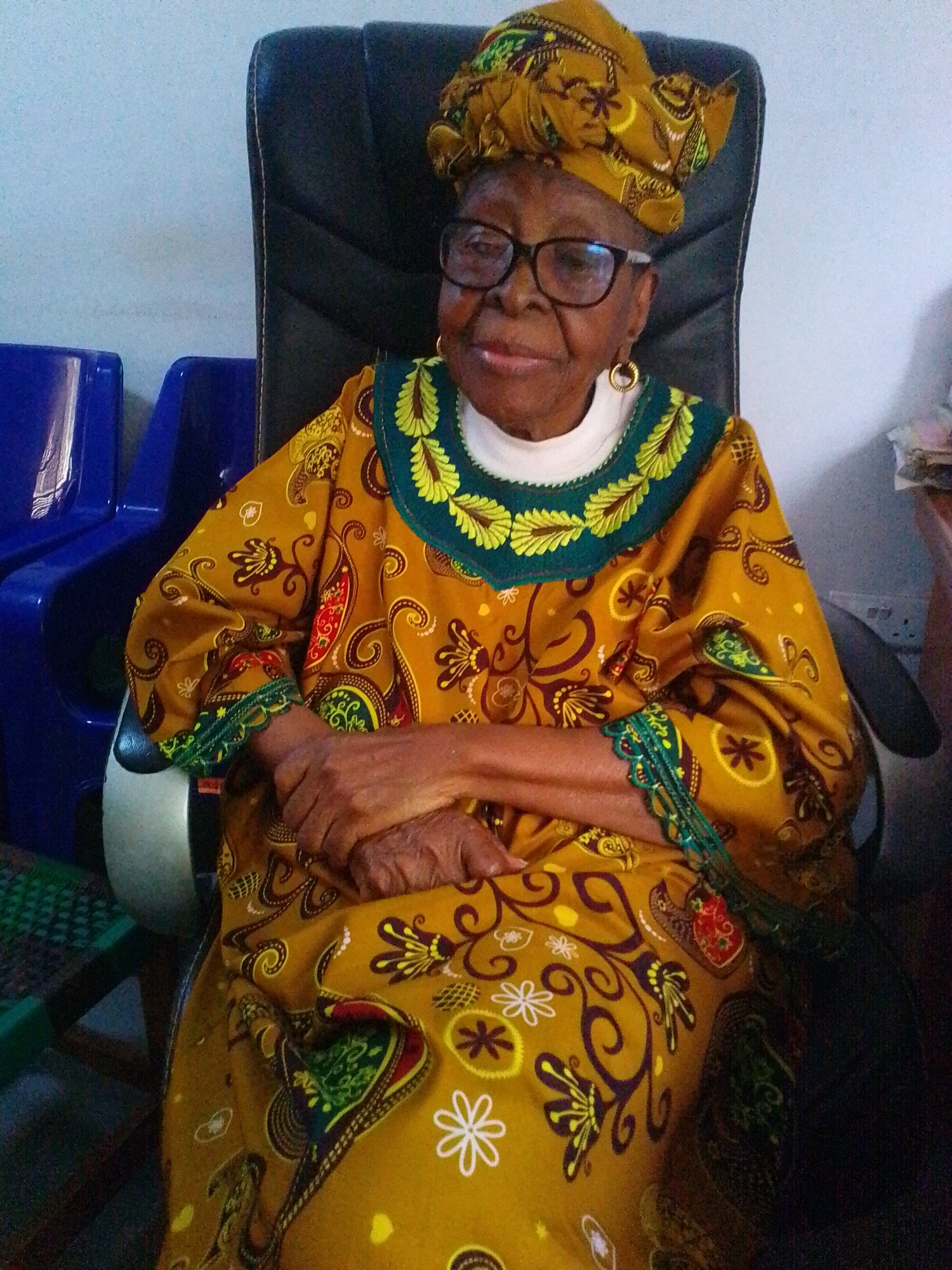
Bolanle Awe
Pioneer of feminist history and decolonisation
Professor Awe was born in Ilesa, Nigeria. She came to Perse Girls in 1952, taking A Levels in 1954 and going on to the University of St Andrews for her undergraduate degree in History, then reading for her DPhil at Somerville College, Oxford. On returning to Nigeria in 1960, Bolanle became the first woman formally appointed to academic office in a Nigerian university. Following time at the University of Lagos, she returned to Ibadan, where in 1976 she was promoted to be Professor of Oral History.
Awe’s work is ground-breaking. Her oral history work made her a pioneer in documenting the pre-colonial histories of Nigeria and the Yoruba people, and an early advocate for the decolonisation of African history. She co-founded the Women's Research and Documentation Centre (WORDOC) to promote the coordination of women's studies research and new methodologies to study Nigerian women. Bolanle is known as a “matriarch of feminist history” because her use of oral history has helped to restore the narratives of overlooked or misrepresented women.
In 1983, Bolanle became an Officer of the Order of the Federal Republic of Nigeria. She retired from teaching and government roles in 1998. In 2005, she became the Pro-Chancellor of the University of Nigeria in Nsukka, and in 2018 received an honorary doctorate from the University of Ibadan on its seventieth anniversary.